


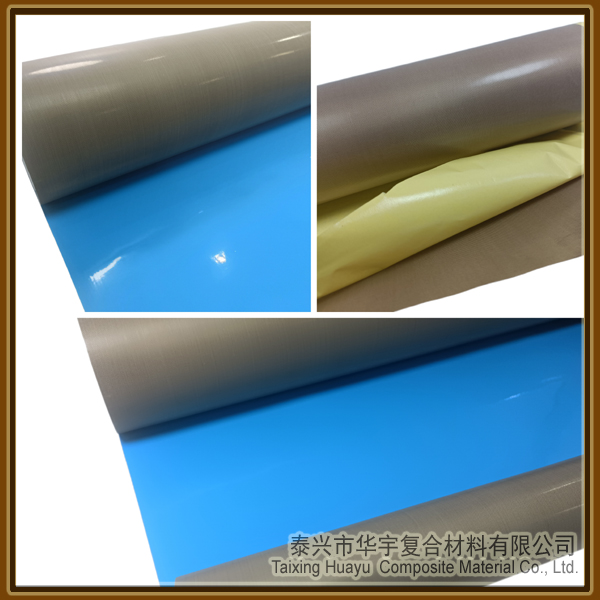

PTFE Fiberglass Acrylic Adhesive Tape, also known as PTFE fiberglass cloth coated with acrylic pressure-sensitive adhesive on one side, is an innovative composite material combining polytetrafluoroethylene (PTFE) coated fiberglass cloth with acrylic pressure-sensitive adhesive. Its core structure consists of a PTFE fiberglass cloth substrate with a temperature resistance range of -196℃ to 350℃, coated on one side with an acrylic pressure-sensitive adhesive layer with a temperature resistance of 160℃, forming a special material with high temperature resistance, corrosion resistance, low friction, and high adhesion. Through synergistic optimization of physical and chemical properties, this material exhibits unique advantages in industrial manufacturing, electronic packaging, and new energy fields.
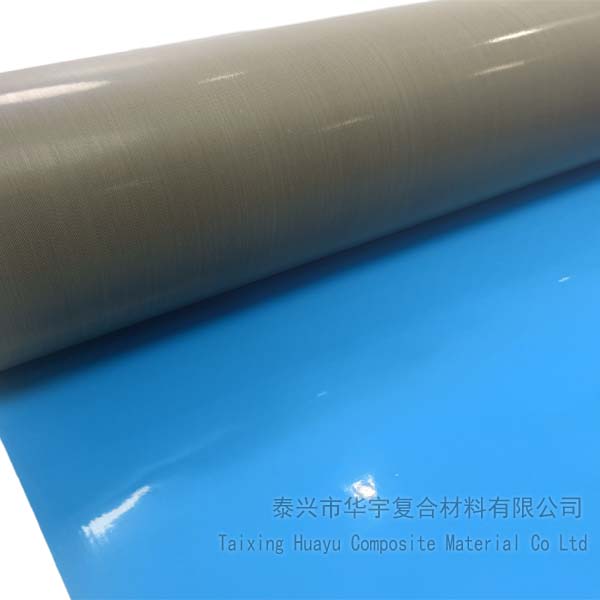
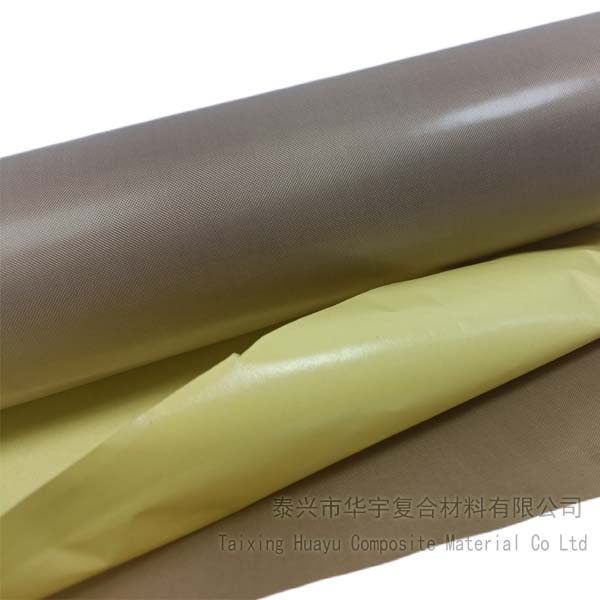
Material Characteristics: Complementary Composite Advantages
1. Gradient Design of Temperature Resistance
The PTFE substrate itself possesses extreme temperature resistance from -196℃ to 350℃, while the acrylic pressure-sensitive adhesive achieves a 160℃ temperature threshold through molecular chain modification. This gradient design allows the material to maintain its flexibility even at ultra-low temperatures of -180℃, and prevents the adhesive layer from flowing or peeling off at high temperatures of 160℃, meeting the stringent requirements of semiconductor wafer transport and lithium battery electrode baking. For example, in the lithium battery electrode coating process, this material can withstand continuous baking at 150℃-160℃, ensuring stable adhesion between the adhesive layer and the substrate.
2. Dual Guarantee of Chemical Stability The Teflon coating provides a natural barrier against strong acids, strong alkalis, and organic solvents, while the acrylic adhesive layer, modified with fluorinated monomers, has a surface energy reduced to 22-26 mN/m, forming a hydrophobic and oleophobic dual protection system. In chemical pipeline corrosion protection scenarios, this material can be immersed in hydrochloric acid and sodium hydroxide solutions for extended periods without swelling or peeling, while simultaneously preventing corrosive media from penetrating into the substrate.
3. Dynamic Balance Between Friction and Adhesion
The PTFE substrate boasts a coefficient of friction as low as 0.05-0.1, while the acrylic adhesive layer achieves adjustable peel strength from 30g to 2000g by adjusting the crosslinking density. This unity of contradictory characteristics makes it stand out in the conveyor belt field: it reduces energy consumption through low friction while preventing material slippage through high adhesive strength. For example, in food processing conveyor belts, the adhesive layer firmly adheres to the conveyor belt surface while preventing the adhesion of dough, minced meat, etc.
Application Scenarios:
1. Electronics Manufacturing
- Semiconductor Packaging: As a substrate for wafer conveyor belts, its 180℃ temperature resistance meets the requirements of vacuum oven curing processes, while preventing ion deposition from the adhesive layer from contaminating the chip surface.
- FPC Process Protection: In the etching process of flexible circuit boards, this material serves as a temporary shielding film, withstanding 160℃ etching solution spray, leaving no adhesive residue after peeling.
2. New Energy Industry
- Lithium-ion Battery Electrode Processing: As a conveyor belt in the drying oven of electrode coating machines, its electrolyte resistance ensures long-term use in NMP (N-methylpyrrolidone) environments while preventing electrode edge curling.
- Photovoltaic Module Encapsulation: In the lamination process, this material acts as a buffer layer. Its 180℃ temperature resistance matches the curing temperature of EVA film, preventing stress cracks between the glass and the backsheet.
3. Industrial Manufacturing Sector
- High-Temperature Pipeline Corrosion Protection: Wrapped around the surface of petrochemical pipelines, it forms a composite coating layer that combines heat insulation and corrosion protection. Its 160℃ temperature resistance meets the requirements for steam pipeline inspection.
- Mold Release Applications: As a release cloth for die-casting molds, its non-adhesive nature allows for smooth release of molten aluminum alloy, while the adhesive layer prevents the cloth from slipping.